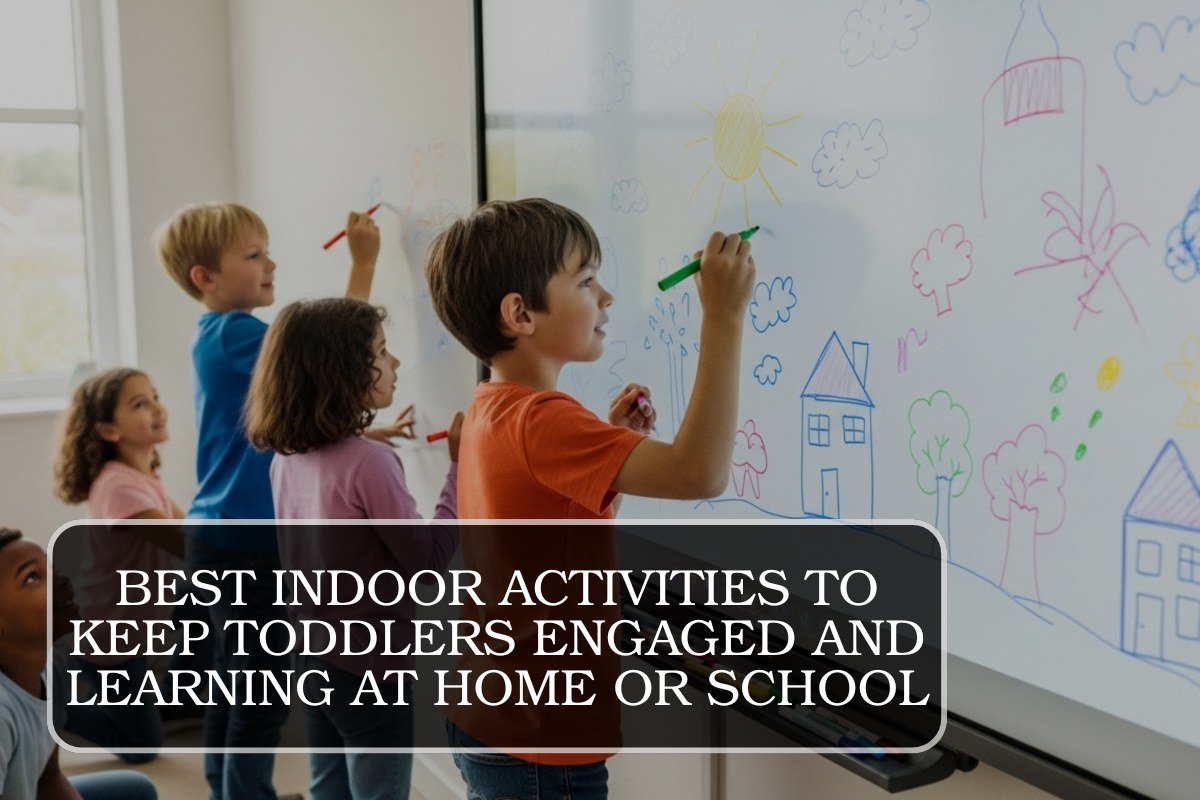
Best indoor activities for toddlers to keep them engaged and learning at home or school focus on play that enhances motor skills, creativity, cognitive development, and social interaction. These activities balance fun and education by incorporating sensory play, imaginative games, simple problem-solving challenges, and physical movement suitable for young children’s developmental stages.
Importance of Indoor Activities for Toddlers
Indoor activities are essential to support toddlers’ growth especially during bad weather or when outdoor play isn’t possible. These activities promote fine and gross motor skills, hand-eye coordination, language acquisition, and emotional regulation.
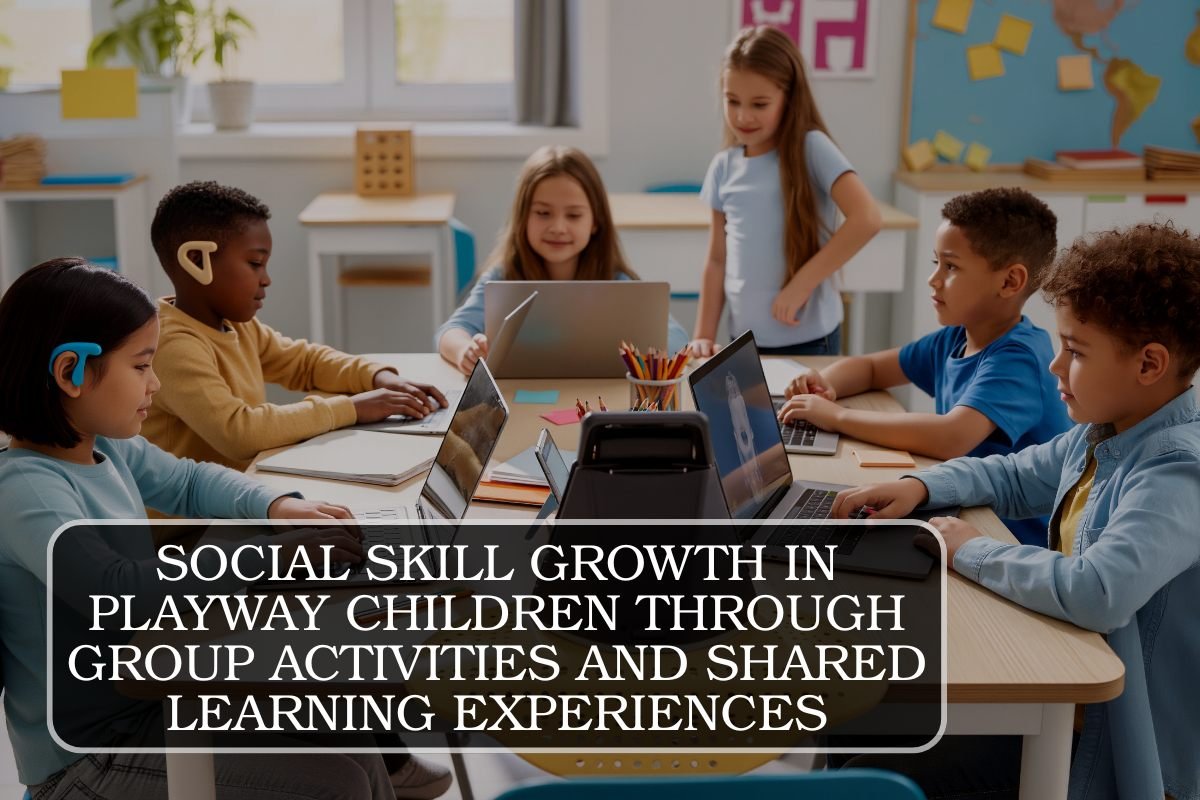
They also encourage toddlers’ natural curiosity and creativity while providing structured learning moments that stimulate cognitive development. Screen-free indoor play fosters social skills and independence, setting a strong foundation for future learning.
Engaging Indoor Activities for Toddlers
- Sensory Play: Activities like playing with playdough, water bins, or textured materials develop fine motor skills and stimulate senses. Sensory play helps toddlers explore shapes, colors, and textures while improving focus.
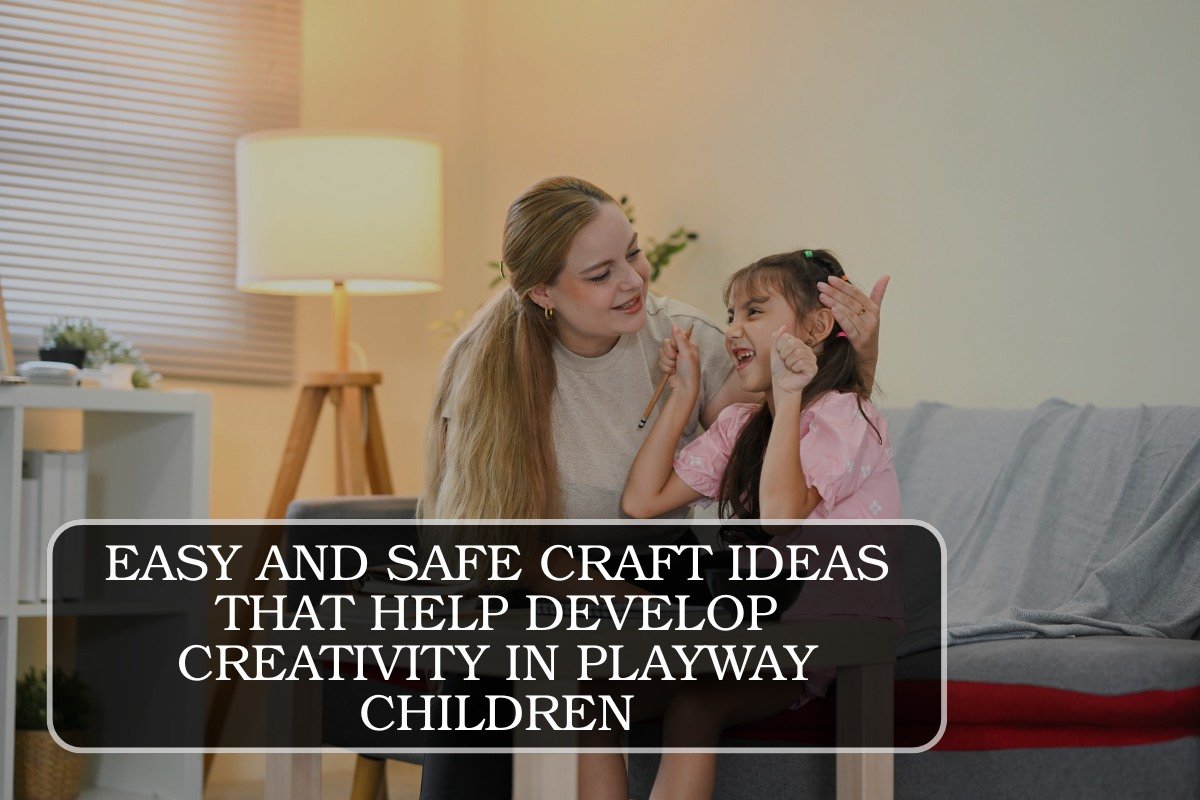
- Creative Arts: Drawing, painting, and crafts allow toddlers to express themselves and refine hand-eye coordination. Using different tools such as crayons, brushes, and stamps encourages experimentation.
- Building and Stacking: Blocks, stacking cups, and simple puzzles promote problem-solving and spatial awareness. These tasks improve hand dexterity and cognitive skills like matching and sequencing.
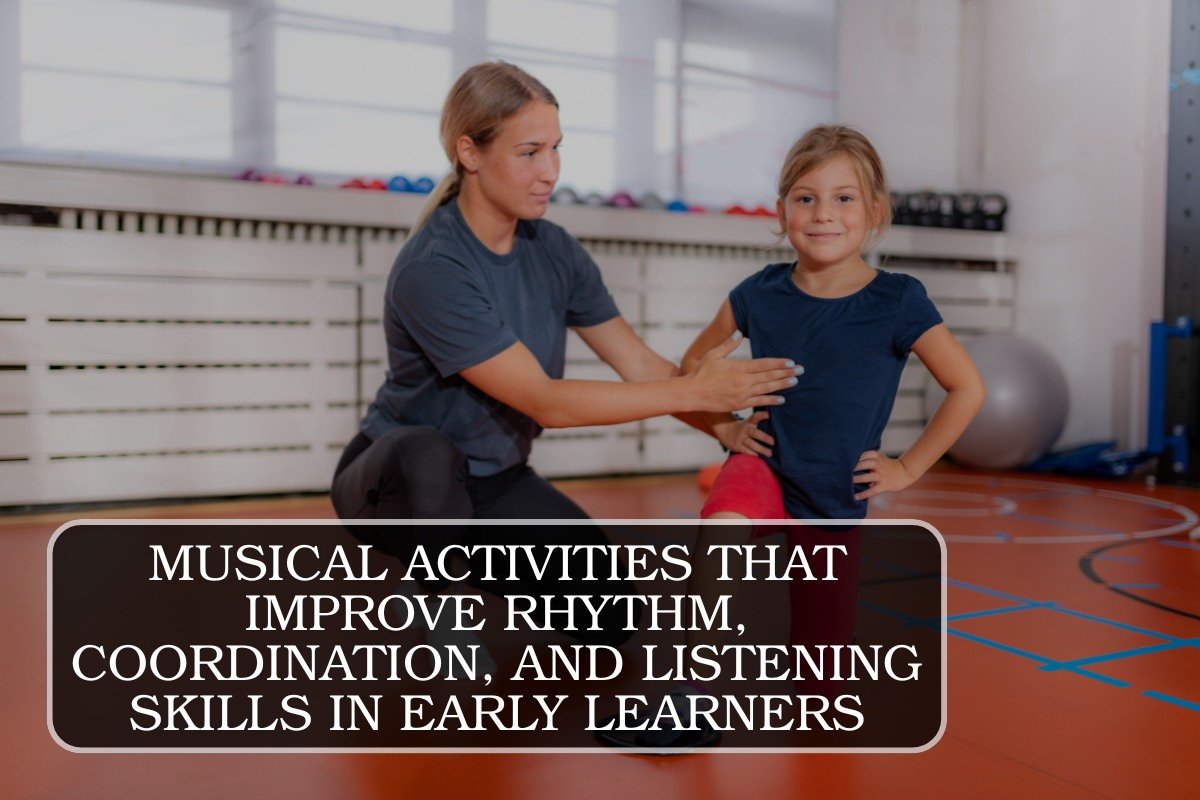
- Movement Games: Simple obstacle courses made of cushions or scarves help toddlers develop balance and coordination indoors. Animal walks, dancing, or balloon games encourage physical activity in small spaces.
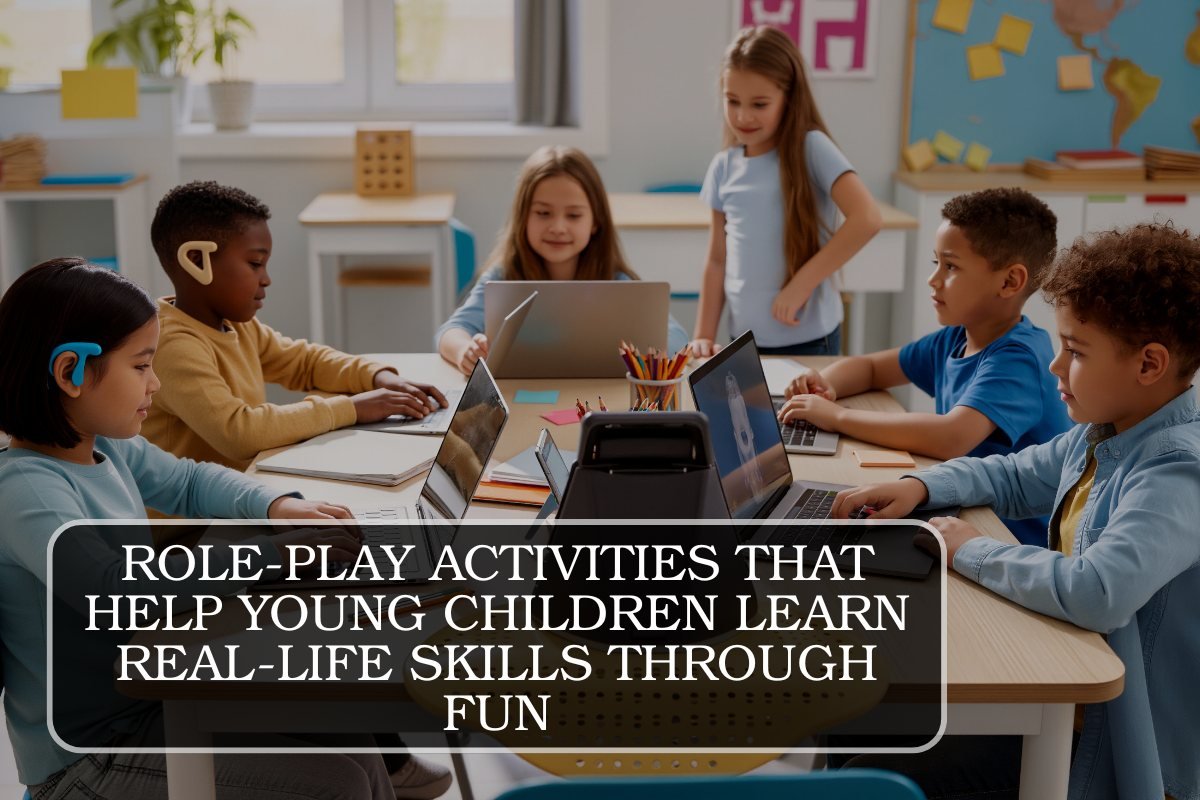
- Pretend Play: Dress-up, kitchen sets, and role-playing scenarios boost imagination, language skills, and social interaction. These activities help toddlers practice empathy and communication.
- Hide and Seek and Treasure Hunts: These games build memory, attention, and object permanence understanding, while adding excitement to indoor playtime.
Creating a Toddler-Friendly Indoor Play Environment
Setting up a safe, inviting space with accessible toys and materials encourages independent exploration. Rotating toys and introducing new challenges regularly helps maintain interest and development. Involving toddlers in tidying up after play teaches responsibility. Balancing active play with quieter activities like reading and puzzles promotes routine and focus.
FAQ
1. How long should toddlers play indoors daily?
Toddlers need several short play sessions totaling about 3 hours, mixing active, sensory, and quiet play for balanced development.
2. Can indoor play enhance physical development?
Yes, movement games and obstacle courses indoors foster gross motor skills like balance and coordination even with limited space.
3. What are the benefits of sensory play for toddlers?
Sensory play aids cognitive growth, fine motor skills, and emotional regulation by engaging multiple senses in hands-on exploration.
4. How can parents keep indoor play interesting?
Rotate toys, introduce new materials, join in the games, and combine active with calm activities to sustain toddler engagement.
5. Are screen-based activities recommended for toddlers?
Screen time should be limited; interactive, hands-on play fosters better learning, creativity, and social skills than passive screen use.
These activities keep toddlers actively learning and happily engaged indoors, providing a rich foundation in motor, cognitive, and social skills crucial for their early development stages.