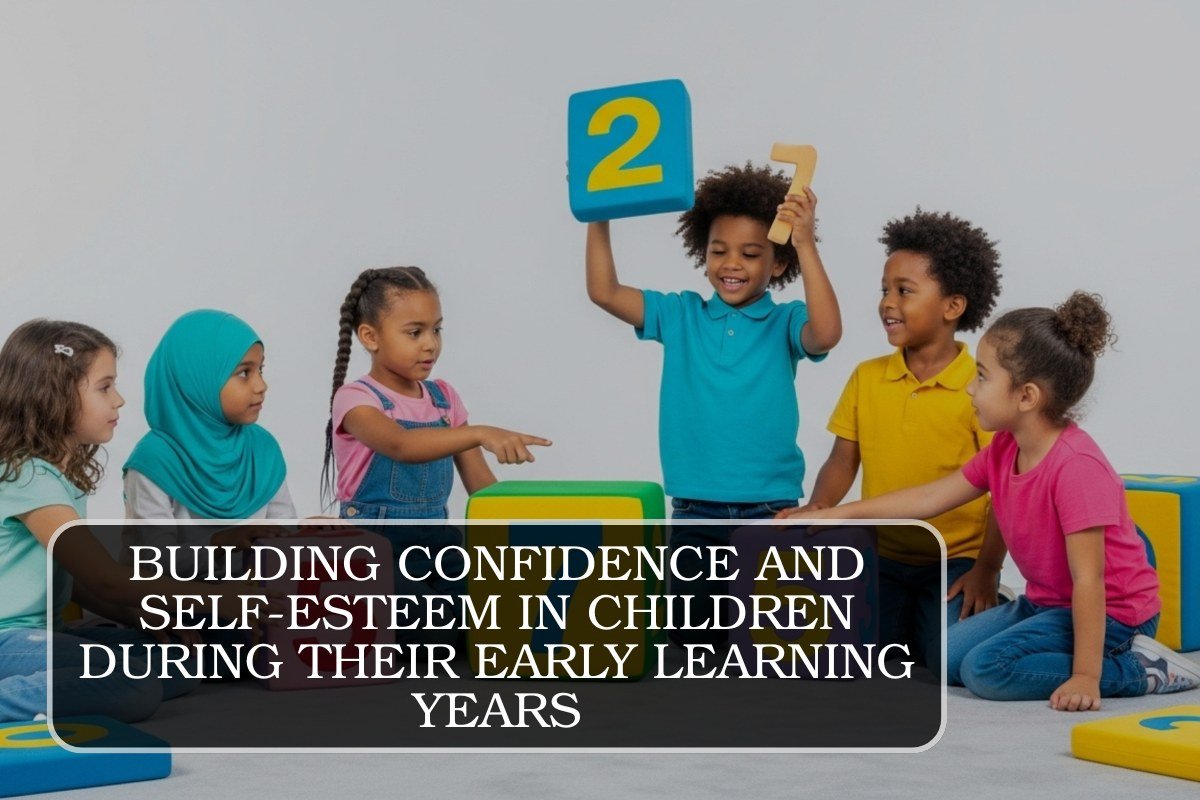
Building confidence and self-esteem in children during their early learning years is fundamental for fostering a positive self-image and preparing them for future challenges. The Playway method uniquely supports this development by creating a joyful, explorative learning environment where children feel valued, capable, and encouraged.
Fostering Independence and Problem-Solving
The Playway method encourages children to learn through play and discovery rather than didactic instruction. This approach allows children to make choices, solve problems independently, and experiment freely, which builds a sense of autonomy and accomplishment. Successfully overcoming challenges through hands-on activities enhances children’s belief in their abilities, boosting confidence.
Providing a Supportive and Positive Environment
In the Playway classroom, educators act as facilitators and guides, providing scaffolding that supports each child’s unique pace and interests. Positive reinforcement and genuine encouragement create a safe space for expression and risk-taking. Children learn to view mistakes as learning opportunities, reducing fear of failure and increasing resilience and self-esteem.
Enhancing Social Skills and Peer Interaction
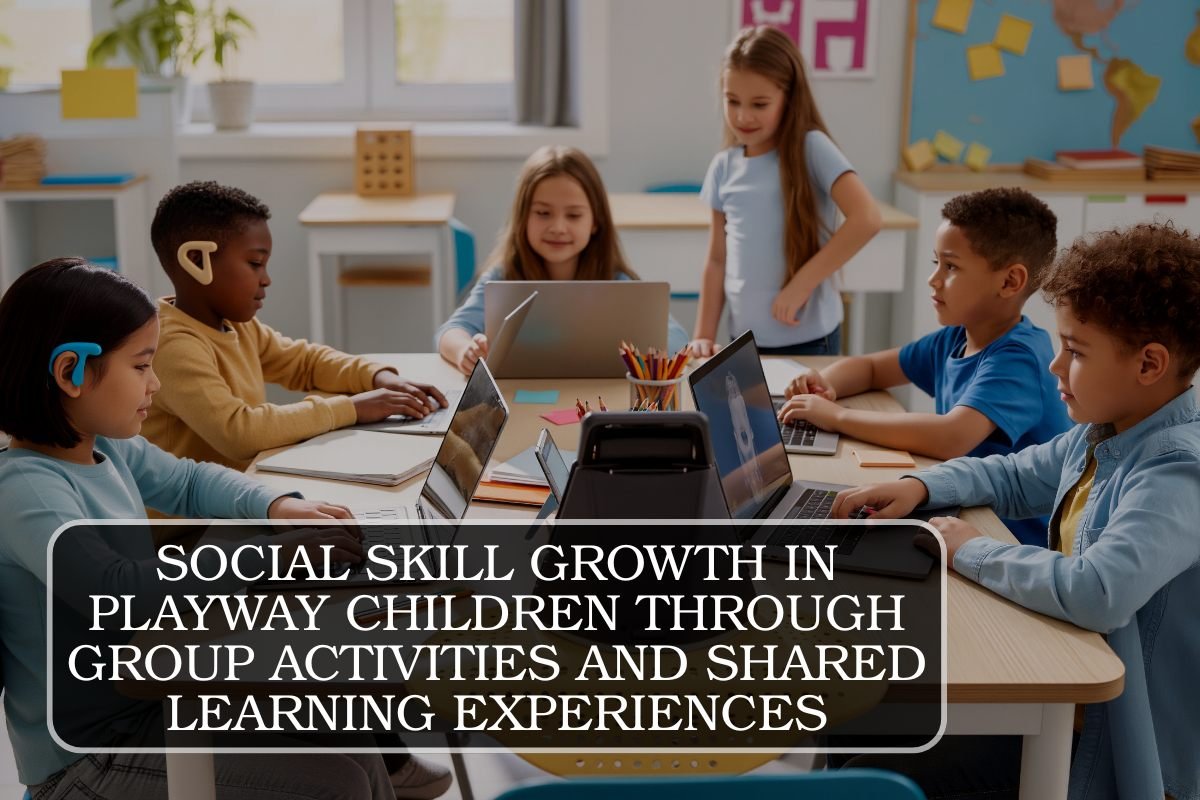
Collaborative play and group activities in the Playway method promote social skills such as communication, sharing, and empathy. Engaging with peers in a respectful and supportive atmosphere nurtures a sense of belonging and acceptance. These social successes further reinforce a child’s confidence in their interpersonal abilities.
Integrating Emotional Literacy and Expression
The method often incorporates storytelling, music, and role-play to help children recognize and express emotions healthily. Developing emotional awareness is key to self-esteem, as children learn to understand and manage feelings constructively. This emotional foundation strengthens personal identity and social relationships.
FAQ
Q: How does the Playway method build confidence in young children?
A: By encouraging independent exploration, problem-solving, and experimenting in a positive, supportive environment.
Q: What role do teachers play in fostering self-esteem in this method?
A: Teachers facilitate learning at each child’s pace, provide encouragement, and create a safe space for expression and learning from mistakes.
Q: How does peer interaction contribute to confidence?
A: Positive social experiences through group play foster belonging, collaboration, and validation from peers.
Q: Why is emotional literacy important for self-esteem?
A: It helps children understand and regulate emotions, contributing to a healthy personal identity and strong relationships.
Q: Can confidence gained in early years affect future learning?
A: Yes, confident children are more motivated and resilient, leading to academic success and positive life skills.
The Playway method builds confidence and self-esteem by integrating play, exploration, social interaction, and emotional learning into early education. This holistic approach nurtures capable, resilient, and self-assured children ready to embrace lifelong learning and growth .