Developing early thinking and problem-solving skills in Playway children is essential for fostering critical cognitive abilities that support lifelong learning and adaptability. The Playway method, which encourages learning through play and exploration, offers effective strategies for cultivating these vital skills in young learners.
Playway Method: Learning Through Exploration and Curiosity
The Playway method emphasizes hands-on, activity-based learning where children explore, experiment, and engage with their environment. Instead of passively receiving information, children actively participate in discovering solutions and making decisions. This experiential learning stimulates intellectual curiosity and nurtures independent thinking, which are cornerstones of problem-solving.
Activities to Enhance Thinking and Problem Solving
- Block Building: Children use blocks of various shapes and sizes to construct structures, learning spatial reasoning and how to solve design challenges.
- Role Play and Puppetry: Acting out scenarios encourages children to think creatively, consider different perspectives, and develop social reasoning.
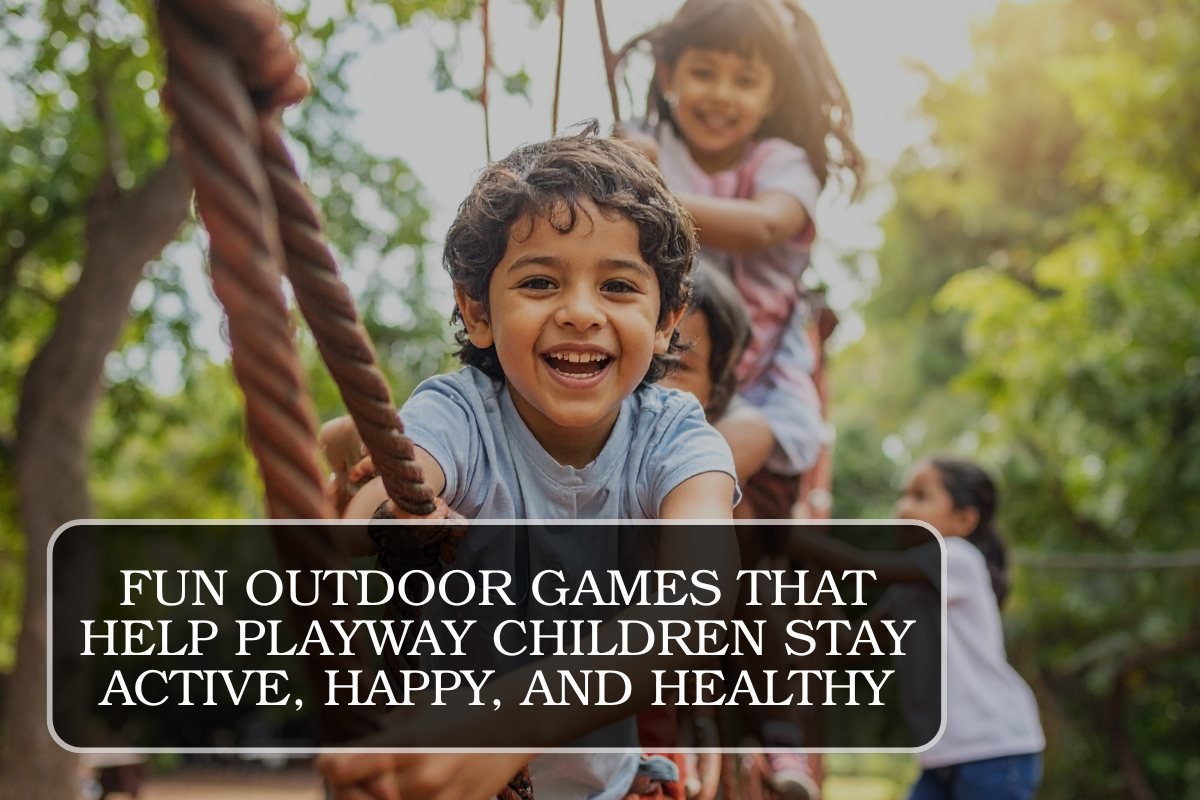
- Outdoor Play: Physical activities like climbing and balancing teach cause-effect relationships and enhance decision-making skills.
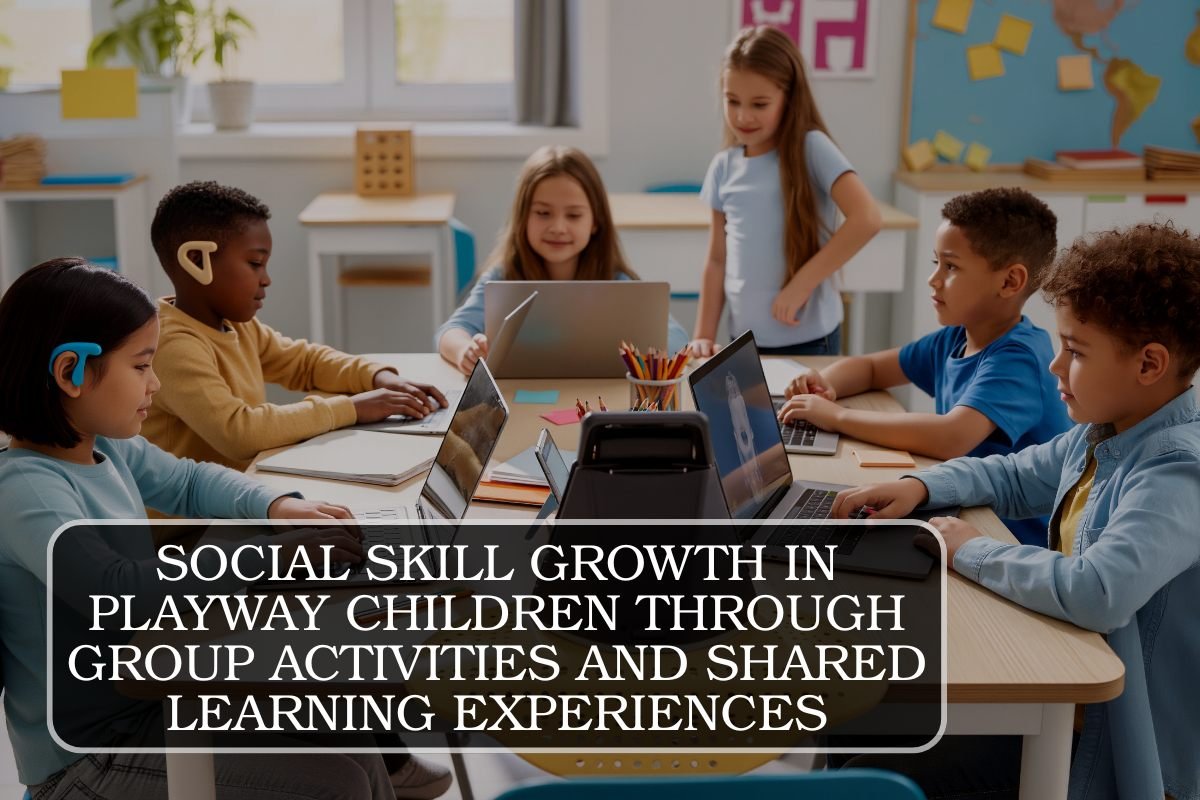
- Group Games: Collaborative games foster teamwork, communication, and negotiation, helping children solve problems together.
- Puzzle Solving: Solving age-appropriate puzzles sharpens logic, pattern recognition, and patience.
These activities provide tangible challenges that stimulate critical thinking while allowing children to learn from trial and error in a supportive environment.
Benefits Beyond Cognition
Beyond cognitive growth, Playway’s focus on problem solving also enhances emotional intelligence and self-confidence. Children learn to cope with frustration, persevere in tasks, and celebrate successes. The method encourages self-regulation and executive function skills, such as planning, attention, and flexible thinking, which are essential for academic and social success.
Role of Educators and Environment
Teachers facilitate problem-solving by setting up engaging materials and scenarios but allow children the freedom to explore without immediate intervention. This scaffolding approach helps children develop confidence in their abilities to face challenges. The learning environment is designed to be safe, stimulating, and inclusive, promoting risk-taking and innovation without fear of failure.
FAQ
Q: How does the Playway method develop problem-solving skills?
A: By encouraging hands-on exploration, experimentation, and discovery, children learn to think independently and solve challenges creatively.
Q: What types of activities help improve early thinking?
A: Activities like block building, role play, puzzles, group games, and outdoor physical play nurture critical thinking and decision-making.
Q: In what other ways does problem-solving benefit children?
A: It builds emotional resilience, confidence, self-regulation, and social skills through collaborative and individual challenges.
Q: What is the teacher’s role in Playway problem-solving activities?
A: Teachers provide materials and guidance but allow children to experiment and find solutions independently, fostering autonomy.
Q: Can these problem-solving skills impact later academic success?
A: Yes, early development of critical thinking and executive functions lays a strong foundation for future learning and life challenges.
The Playway method’s use of dynamic, play-based activities is highly effective in nurturing early thinking and problem-solving skills. These skills empower children not only academically but also emotionally and socially, supporting their overall development and lifelong learning journey.