Emotional development in young children is a crucial aspect of early education, and positive play combined with interactive classroom experiences significantly fosters this growth. The Playway method, which emphasizes learning through play and exploration, offers a nurturing environment for children to express and understand their emotions effectively.
The Role of Positive Play in Emotional Development
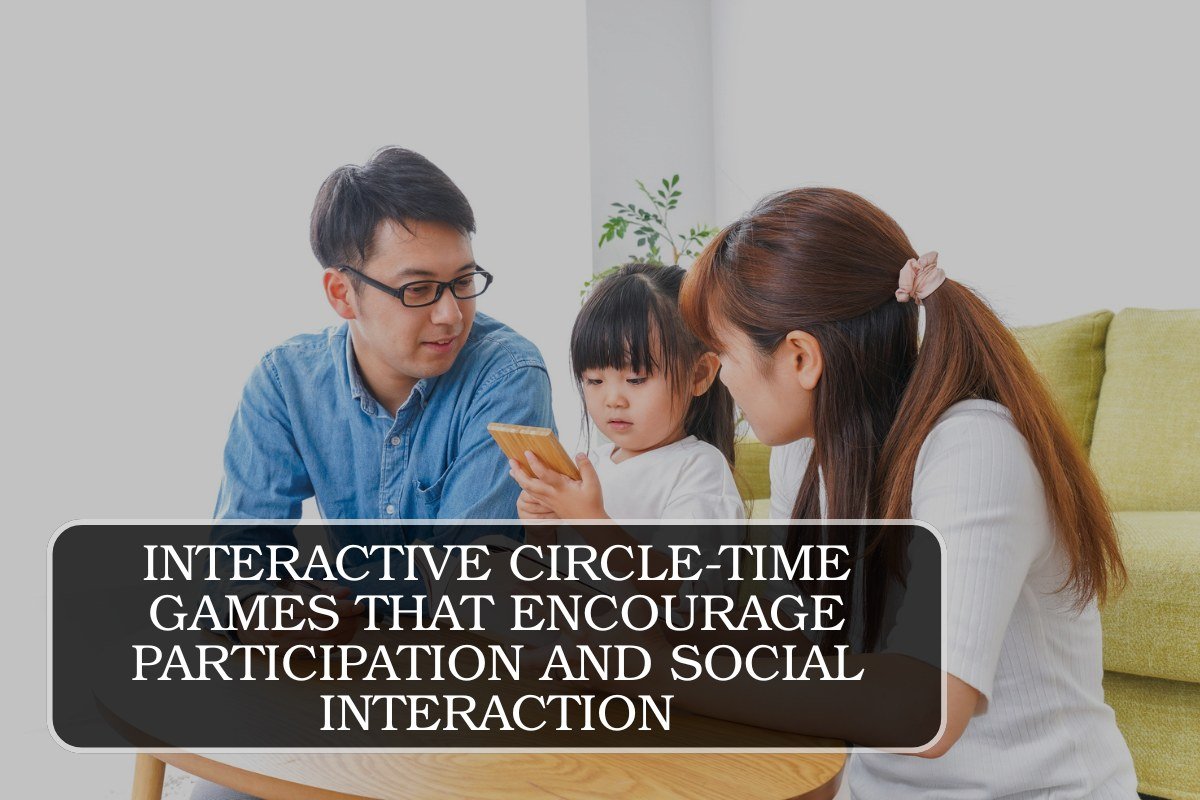
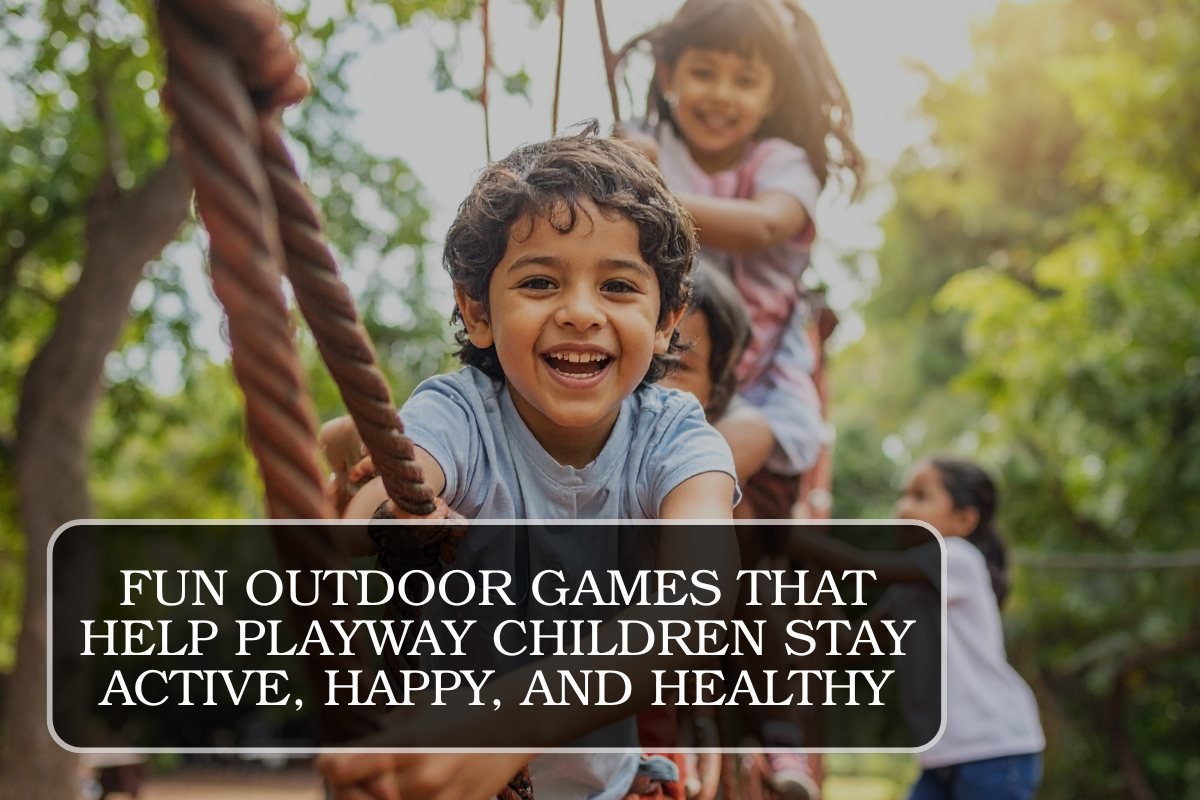
Positive play provides children with a safe space to experience and express their feelings. Through imaginative play, role-playing, and collaborative activities, children learn to identify their emotions, express themselves, and develop empathy for others. This freedom to explore emotions in a supportive environment helps children build self-awareness and resilience, key elements of emotional intelligence.
Classroom Interaction and Social-Emotional Growth
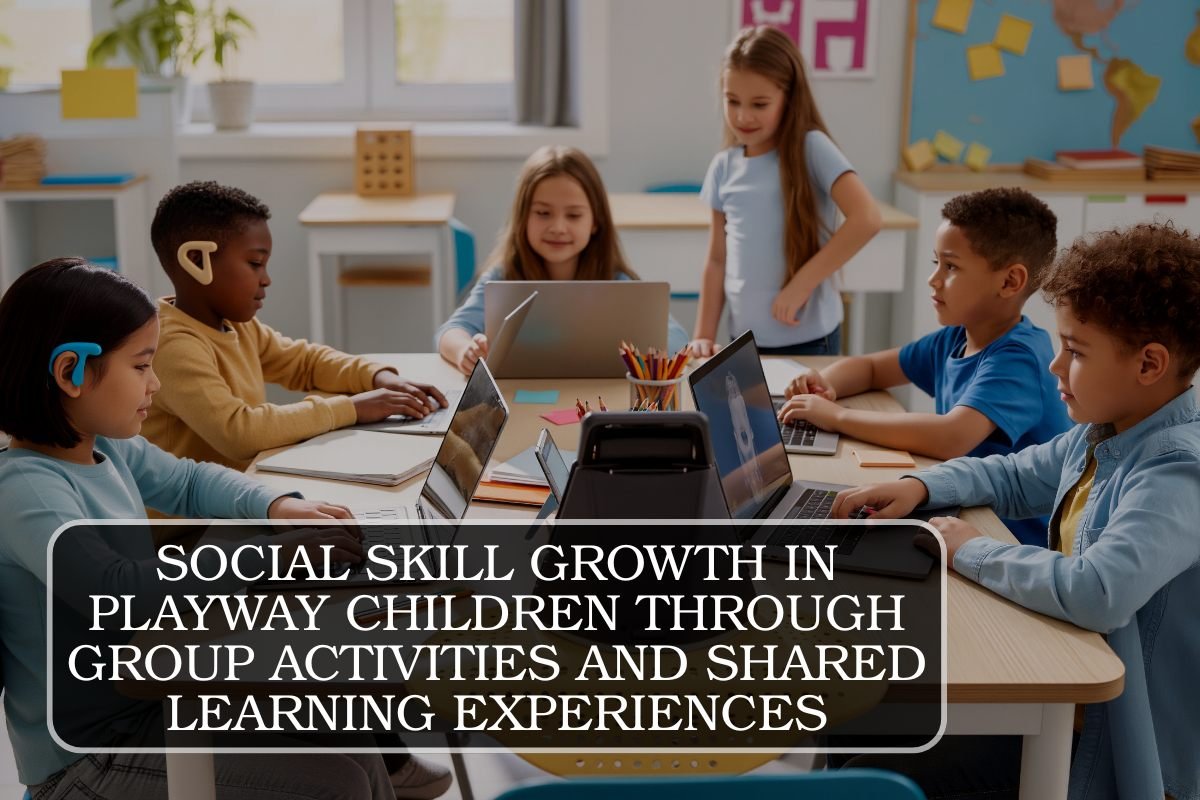
Interactions within the classroom provide opportunities for children to navigate social situations, learn cooperation, practice patience, and resolve conflicts. Group activities like sharing, turn-taking, and teamwork reinforce social norms and teach valuable communication skills. Teachers guide these interactions, fostering a respectful and caring atmosphere that encourages emotional safety and positive relationships.
Building Self-Confidence and Self-Regulation
The Playway approach encourages children to make choices and solve problems independently, enhancing their self-confidence. By learning to manage frustrations, delays, or disagreements during play and learning activities, children develop self-regulation skills. These skills help them adapt to various social settings and challenges, promoting overall emotional well-being.
The Educator’s Supportive Role
Educators facilitate emotional development by observing children’s behaviors, providing appropriate guidance, and modeling positive emotional responses. Creating an inclusive classroom culture where feelings are acknowledged and respected encourages children to express their emotions constructively. Emotional literacy is often integrated into daily routines through storytelling, music, and group discussions.
FAQ
Q: How does play help in a child’s emotional development?
A: Play allows children to explore emotions safely, express feelings, develop empathy, and build emotional intelligence.
Q: Why is classroom interaction important for social-emotional growth?
A: It offers real-life social practice, teaching cooperation, communication, patience, and conflict resolution.
Q: What is self-regulation and why is it important?
A: Self-regulation is managing one’s emotions and behaviors, helping children handle challenges and succeed socially and academically.
Q: How do educators support emotional development in Playway learning?
A: They create safe spaces, model positive responses, and integrate emotional literacy through stories, music, and guided play.
Q: Can emotional development through Playway methods impact later life?
A: Yes, strong early emotional skills contribute to better relationships, academic success, and mental health throughout life.
Through positive play and thoughtful classroom interaction, the Playway method nurtures emotional development that equips children with vital skills for empathy, resilience, and self-confidence, laying a strong foundation for their future personal and social success .