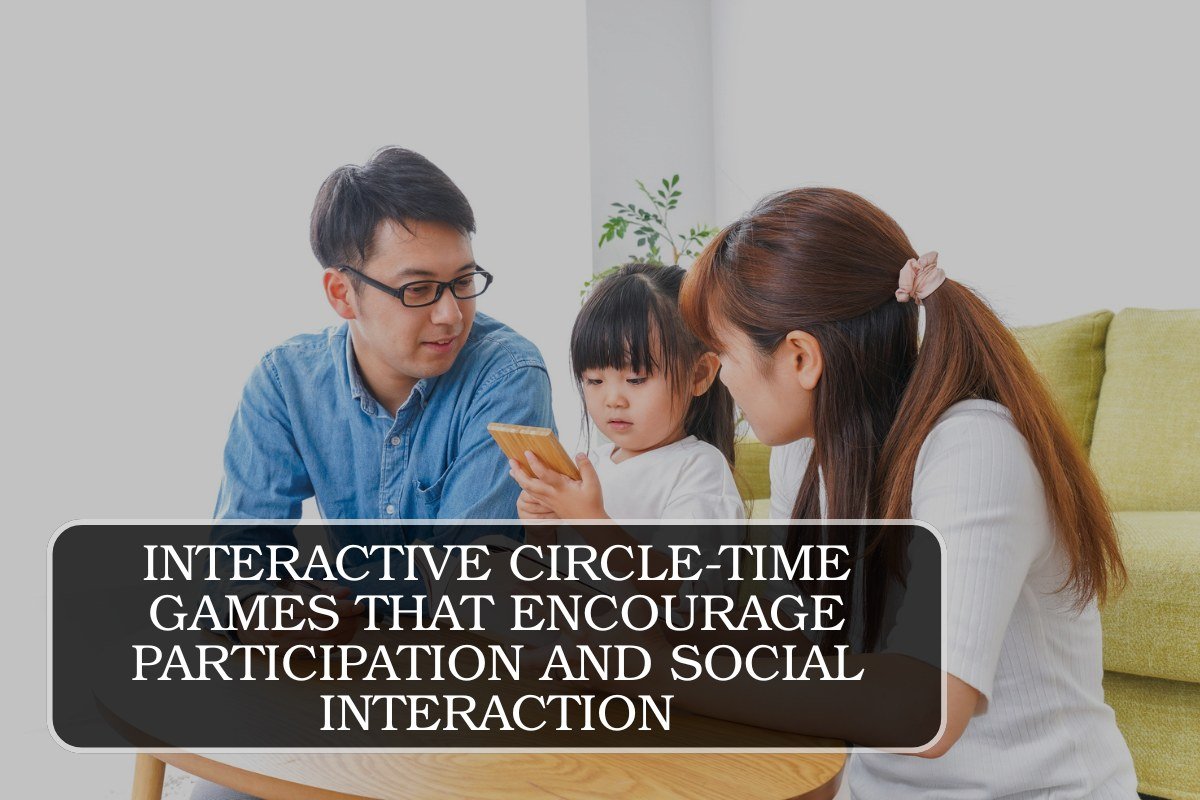
Interactive circle-time games are essential in early childhood education for encouraging participation and social interaction among young children. These games create a structured yet engaging environment where children can develop communication, listening, and cooperative skills while having fun together.
Benefits of Circle-Time Games
Circle-time games foster important social-emotional skills by encouraging children to take turns, share ideas, and listen respectfully to peers. This group setting builds a sense of community, helping children feel valued and included.
Additionally, circle-time sessions improve language development through singing, storytelling, and conversations, boosting vocabulary and expressive abilities. Physically active games enhance coordination and rhythm, while cognitive challenges during circle time stimulate memory, attention, and problem-solving skills.
The routine and predictability of circle time also give children a feeling of security and help focus their energy positively.
Popular Interactive Circle-Time Games
- “Head, Shoulders, Knees, and Toes”: This classic game combines singing with body part identification and movement, enhancing language, coordination, and listening skills.
- Freeze Dance: Children dance to music and freeze when it stops, practicing impulse control and listening.
- Pass the Ball: Passing a ball while music plays promotes turn-taking, focus, and social interaction.
- Simon Says: This game develops attention, listening skills, and the ability to follow directions.
- Show and Tell: Children bring items to share with the group, boosting confidence, communication, and peer engagement.
- Storytelling with Props: Using puppets or objects during storytime invites participation and sparks imagination.
- Emotion Charades: Acting out emotions helps children recognize and express feelings while fostering empathy and social understanding.
Tips for Successful Circle Time
Keep sessions short and varied to match young children’s attention spans, typically 15-20 minutes. Use songs, repetition, and movement to maintain engagement. Establish a consistent routine incorporating greetings, songs, stories, games, and sharing time so children know what to expect.
Encourage inclusive participation by creating a supportive environment where every child’s contribution is valued. Using visual aids and props can further enhance understanding and interest.
FAQ
1. How long should circle time last for young children?
Sessions typically last 15 to 20 minutes to match preschoolers’ attention spans while maximizing engagement.
2. How do circle-time games improve social skills?
They teach turn-taking, listening, sharing, cooperation, and help children build relationships in a safe group setting.
3. Can circle-time activities support language development?
Yes, through songs, stories, and group discussions, children learn new vocabulary, sentence structures, and communication strategies.
4. What are some ways to keep circle time fun and engaging?
Incorporate movement, sing songs, use props or visuals, and vary activities to hold children’s interest.
5. How can teachers manage children who have trouble focusing during circle time?
Use shorter activities, break the circle into smaller groups if needed, incorporate physical movement, and provide sensory supports.
Interactive circle-time games foster a supportive community among young learners by developing participation, social skills, language, and cognitive abilities. When planned thoughtfully, these activities make learning enjoyable and promote holistic early childhood development.