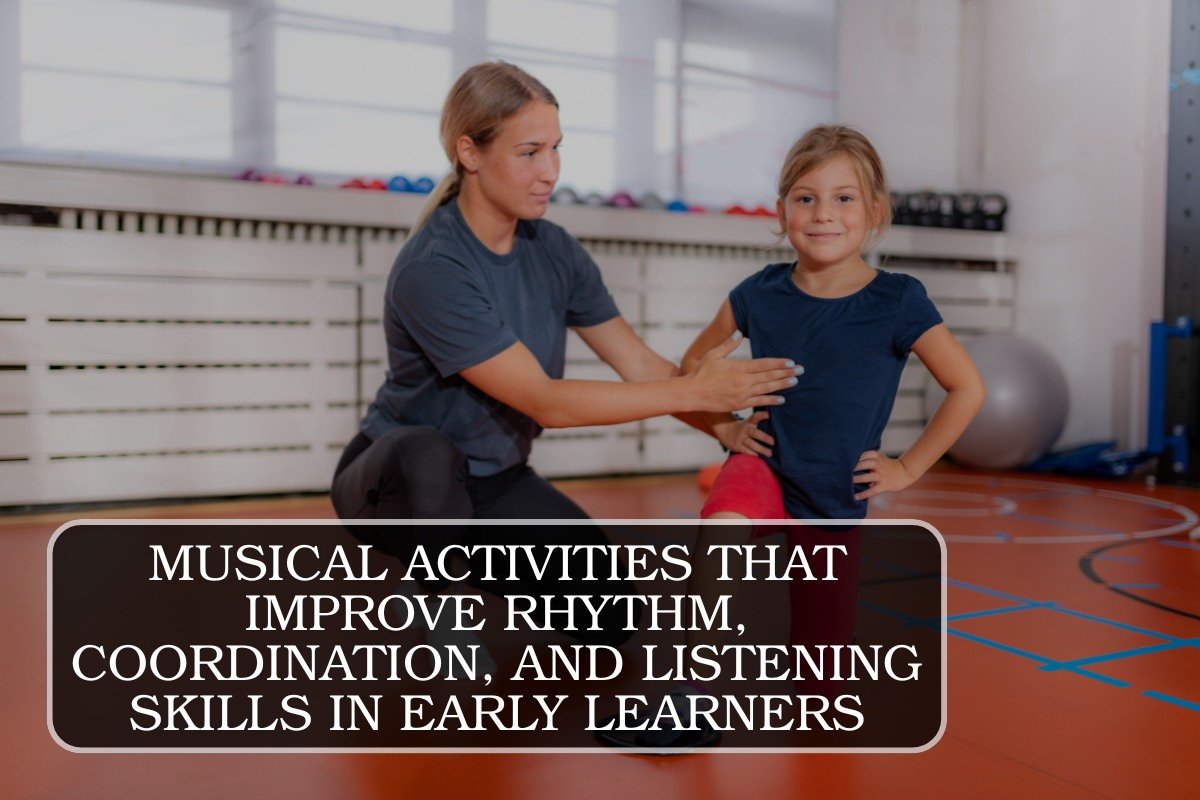
Musical activities play a crucial role in early childhood development, especially for improving rhythm, coordination, and listening skills in young learners. Engaging children in music helps them develop essential motor abilities and cognitive functions while providing a joyful and interactive learning environment.
Benefits of Musical Activities for Early Learners
Music stimulates various areas of the brain simultaneously, enhancing cognitive, physical, and emotional development. Rhythmic patterns in music help children understand sequencing and timing, which are foundational for language and math skills.
Participation in musical activities strengthens hand-eye coordination, fine and gross motor skills, and balance through instrument playing and movement.
Listening to music improves auditory processing and attention span, teaching children to focus and discern sounds. Furthermore, music supports social skills by encouraging cooperation, communication, and self-expression.
Musical Activities to Improve Rhythm and Coordination
- Clapping and Tapping Games: Simple clapping or tapping to the beat helps children internalize rhythm and practice timing. These activities also enhance fine motor control and coordination.
- Using Percussion Instruments: Instruments like tambourines, shakers, drums, or xylophones encourage children to follow rhythms and improve hand-eye coordination while having fun.
- Movement to Music: Dancing or moving different body parts in time to music improves gross motor skills, balance, and body awareness. Action songs involving gestures (like “Head, Shoulders, Knees, and Toes”) also promote coordination.
- Call and Response Singing: This practice encourages listening skills and memory while providing rhythmic vocal exercise. Children learn to pay attention and respond accurately.
- Rhythm Games: Activities where children recreate patterns by clapping, stomping, or using instruments build auditory discrimination and sequencing skills.
Listening Skills and Cognitive Benefits
Music naturally enhances auditory discrimination, helping children differentiate sounds and tones crucial for language development. Engaging in musical activities improves memory and attention span by requiring children to focus on melodies, lyrics, and rhythms.
Repetition in songs aids memory retention, while group singing and musical play nurture social and communication skills. Music also triggers emotional expression, fostering self-regulation and empathy in young learners.
Tips for Incorporating Musical Activities
Incorporate music naturally into daily routines, such as singing during transitions or playtime. Use a variety of instruments and musical genres to maintain interest. Encourage children to create their own rhythms and songs, which enhances creativity and confidence.
Combining music with movement can make learning more dynamic and enjoyable. Adult participation boosts children’s engagement and models listening and coordination skills.
FAQ
1. At what age should children start musical activities?
Musical activities can start from infancy, with simple singing and rhythm games progressing in complexity as children grow.
2. How do musical activities improve coordination?
Playing instruments and dancing require precise motor movements, improving hand-eye coordination, balance, and gross motor skills.
3. Can music enhance listening skills?
Yes, music helps children develop auditory discrimination, attention, memory, and language skills through rhythm and melody engagement.
4. What types of instruments are best for young children?
Simple percussion instruments like shakers, tambourines, drums, and xylophones are safe and effective for early learners.
5. How often should musical activities be done?
Daily short sessions of 10–20 minutes or incorporation into routines provide consistent benefits without overwhelming children.
Musical activities not only build rhythm, coordination, and listening skills but also foster creativity, emotional expression, and social development, forming a comprehensive foundation for early learning and lifelong appreciation of music.