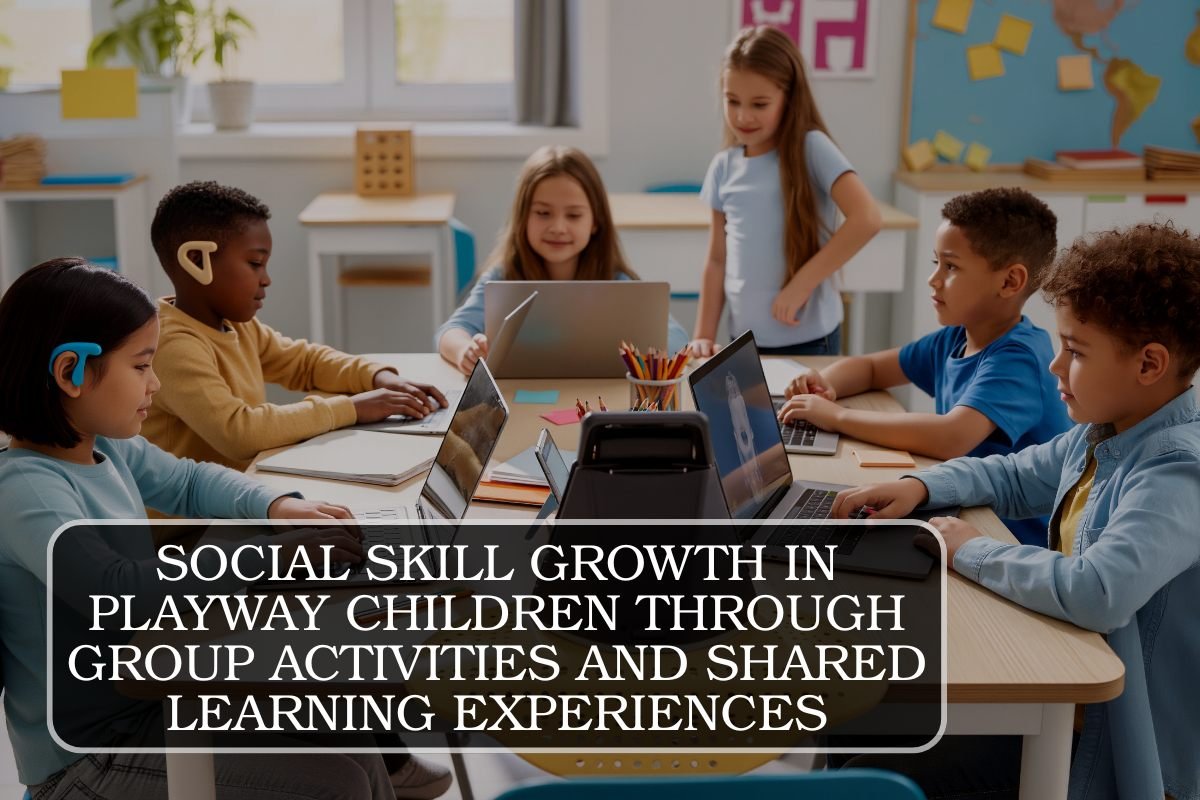
Social skill growth is a fundamental component of early childhood development, and the Playway method is uniquely effective in fostering these skills through group activities and shared learning experiences. This approach leverages the natural inclinations of children to play collaboratively, enhancing communication, empathy, cooperation, and conflict resolution.
Group Activities Boost Communication and Cooperation
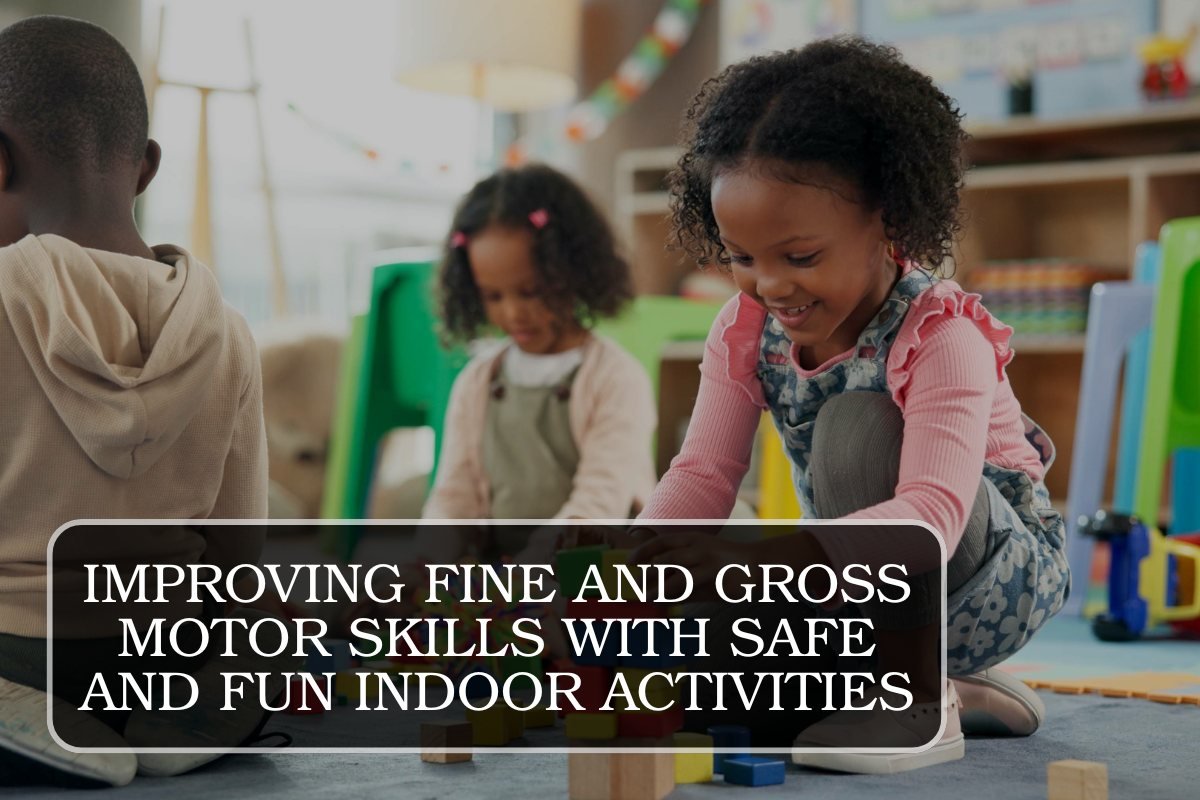
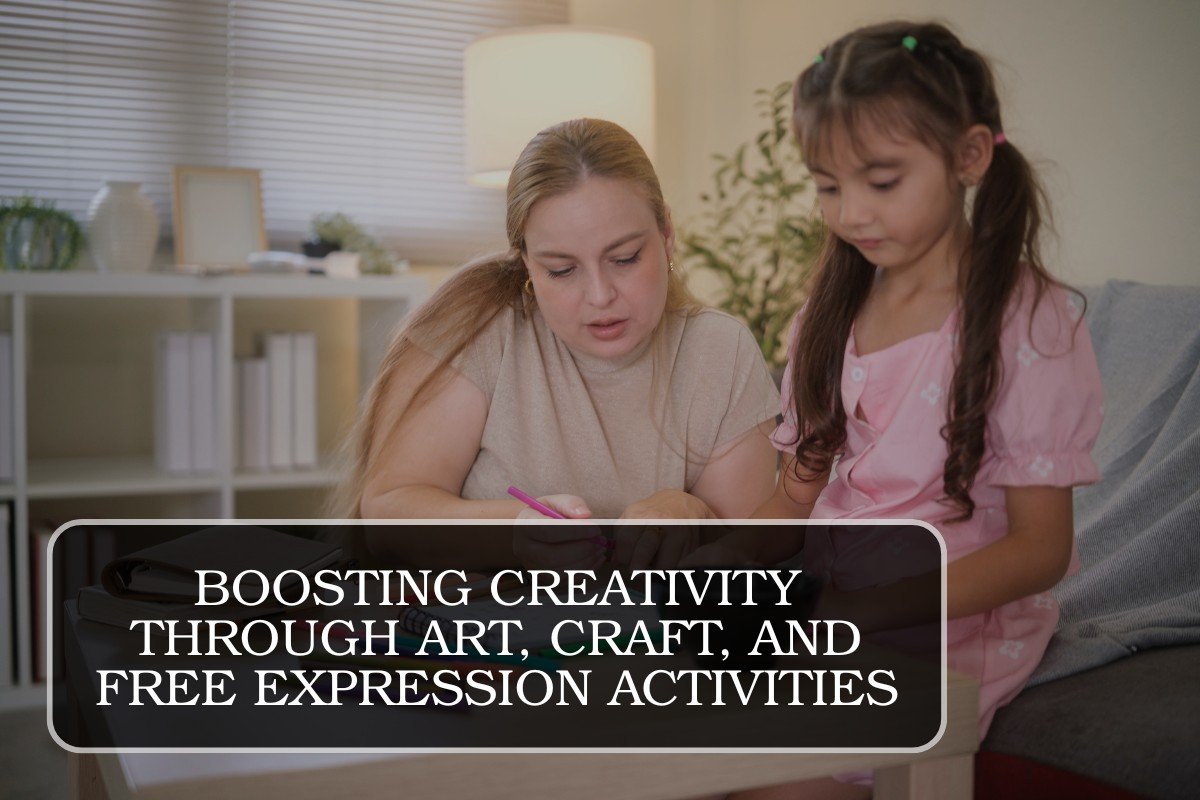
In the Playway approach, children engage in group tasks such as building blocks, group storytelling, or collaborative arts and crafts. These activities require children to communicate ideas, listen actively, and negotiate roles and responsibilities. Through this process, children learn essential social skills like turn-taking, sharing, and respecting others’ viewpoints, which are critical for healthy interpersonal relationships.
Developing Empathy and Conflict Resolution
Shared learning experiences often present situations where children must navigate disagreements or different opinions. The Playway method encourages guided interactions where teachers act as facilitators, helping children express feelings and resolve conflicts amicably. These experiences teach empathy by allowing children to understand others’ emotions and viewpoints, laying the foundation for emotional intelligence.
Enhancing Peer Engagement and Teamwork
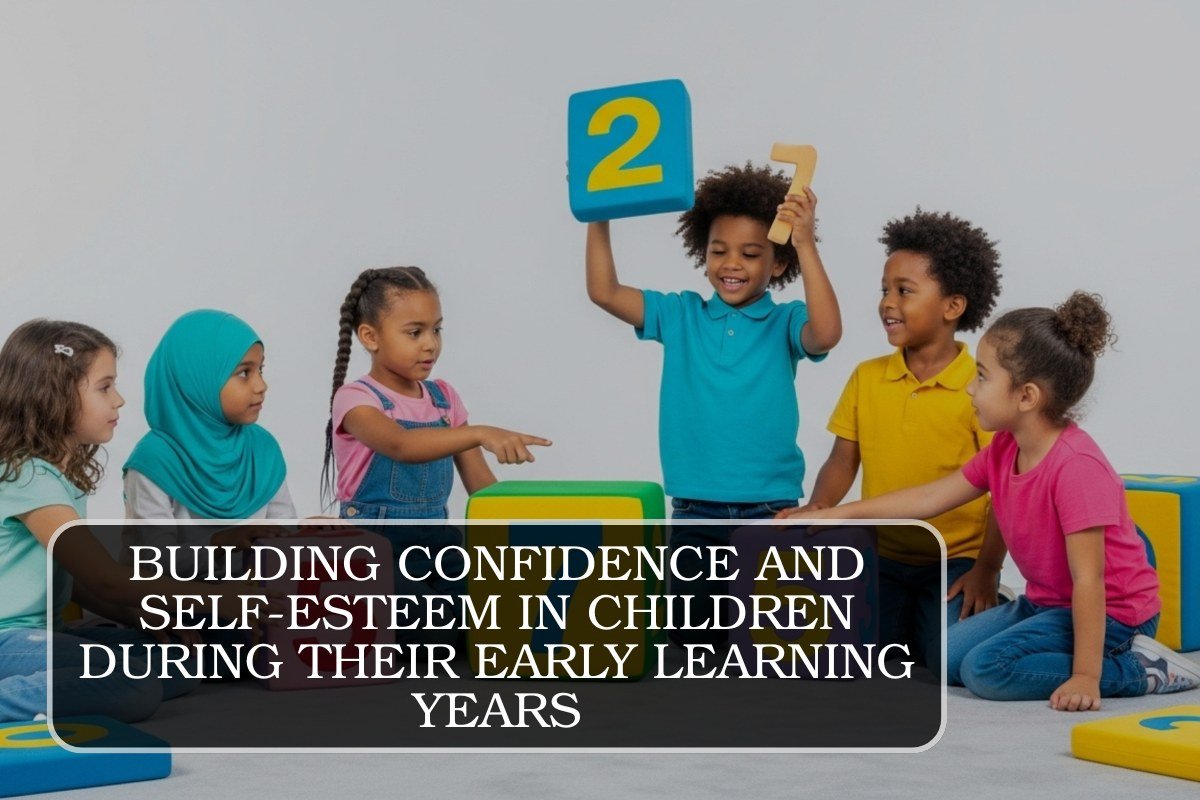
Children participating in group play develop a sense of belonging and community. Cooperative games, pretend play, and problem-solving tasks require trust and collective effort. This cooperation enhances social bonding and encourages positive peer interactions, which contribute to increased self-esteem and emotional well-being.
Role of Educators and Environment
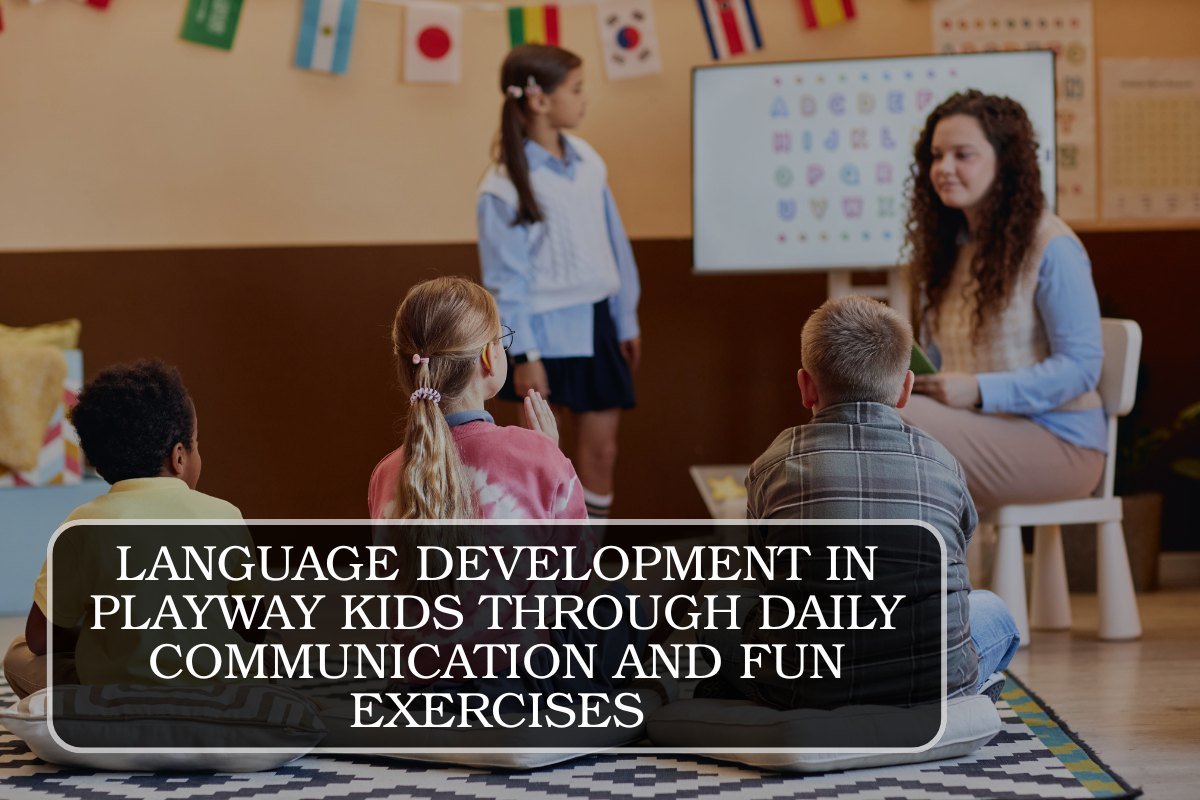
Teachers in Playway settings create safe, inclusive spaces where social interactions are encouraged and scaffolded. They provide materials that promote group engagement and model respectful communication. The learning environment nurtures open dialogue, curiosity about others, and mutual support, all crucial for social skill development.
FAQ
Q: How do group activities help develop social skills in Playway children?
A: They encourage communication, cooperation, listening, and respecting different opinions through shared tasks.
Q: Why is empathy important in early childhood social development?
A: Empathy helps children understand and respond to others’ emotions, supporting healthy relationships and conflict resolution.
Q: What role do teachers play in facilitating social growth?
A: Teachers guide interactions, model positive behavior, create inclusive spaces, and help children navigate social challenges.
Q: How do shared learning experiences build teamwork?
A: They require collaboration, trust, and joint problem-solving, fostering peer connection and community feeling.
Q: Can Playway social skills development impact lifelong abilities?
A: Yes, early social experiences build foundational skills for communication, cooperation, and emotional intelligence vital throughout life.
By embedding social skill growth within group activities and collaborative learning, the Playway method cultivates well-rounded children capable of empathy, effective communication, and teamwork—essential ingredients for personal and academic success .