Physical activity is a cornerstone of healthy child development. Movement-based games and exercises not only strengthen muscles and bones but also contribute to better coordination, focus, and emotional well-being. Encouraging children to engage in playful physical activities sets the foundation for lifelong health and balanced growth.
Importance of Movement in Physical Development
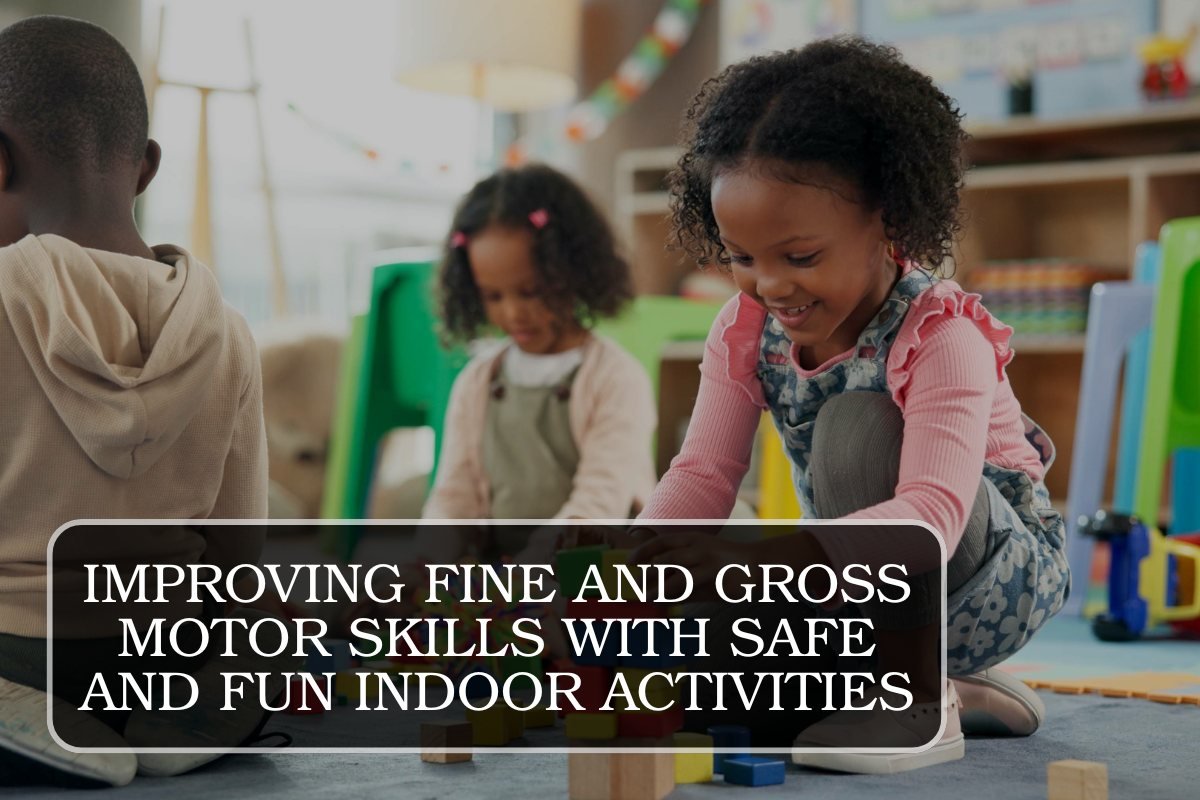
Movement is a natural part of a child’s exploration and learning. Physical play helps develop gross motor skills like running, jumping, balancing, and climbing. These actions enhance muscle strength, flexibility, and endurance. As children practice different movements, they build body awareness, spatial understanding, and self-confidence.
Furthermore, regular physical activity supports healthy weight management and boosts cardiovascular health. It also stimulates brain function, improving attention and memory, which are critical for learning. Active play, therefore, benefits both the body and the mind.
Movement-Based Games That Promote Growth
Incorporating games that encourage movement makes exercise more enjoyable and sustainable for children. Traditional playground games remain some of the most effective ways to promote fitness while having fun.
- Tag and relay races improve speed, coordination, and agility.
- Hopscotch and jump rope enhance balance and lower-body strength.
- Simon Says or obstacle courses develop flexibility, hand-eye coordination, and concentration.
- Ball games such as soccer, basketball, or catch refine motor control and teamwork skills.
For younger children, imaginative movement games, like pretending to be animals or following a dance routine, foster creativity while keeping them physically active.
Structured Exercises for Growing Bodies
Apart from free play, structured physical exercises help children build discipline and measurable progress. Activities such as yoga, swimming, and gymnastics improve posture, muscle tone, and endurance. Strength-based activities using body weight—like squats, planks, and crawling—safely enhance muscular development without excessive strain.
It’s important to tailor exercises to a child’s age and ability. Short, diverse sessions of 15–30 minutes are ideal for younger children, while older ones benefit from 45–60 minutes of varied activities daily. Variety also keeps children engaged and prevents overuse of specific muscle groups.
Building Healthy Habits Through Play
Encouraging children to see movement as play rather than obligation cultivates intrinsic motivation. Parents and educators can foster this attitude by joining in, offering praise, and making physical activity part of daily routines. Activities like walking to school, nature hikes, or family sports days show children that exercise is both fun and social.
Moreover, promoting movement over screen time supports better posture, sleep, and emotional regulation. When children experience the joy of play and the satisfaction of physical achievement, they are more likely to carry active habits into adulthood.
Conclusion
Supporting healthy physical growth through movement-based games and exercises is an essential aspect of child development. Through play, children refine their physical skills, enhance confidence, and nurture an active lifestyle that benefits their overall health. By integrating fun, varied movement opportunities each day, caregivers can help children grow stronger, happier, and more resilient.
FAQ
1. How much physical activity do children need daily?
Children should engage in at least 60 minutes of physical activity each day, combining moderate and vigorous movements.
2. What are the benefits of movement-based games?
These games develop motor skills, strengthen muscles, enhance coordination, and improve social interaction.
3. Can indoor games also support physical growth?
Yes. Activities like dancing, yoga, or simple movement challenges indoors can effectively promote strength and flexibility.
4. How can parents encourage reluctant children to move more?
Parents can make exercise playful, join the activities themselves, and avoid making physical activity feel like a chore.
5. Are there risks in too much physical play?
Moderate intensity and variety are key. Overexertion or repetitive strain should be avoided through age-appropriate activities and rest.